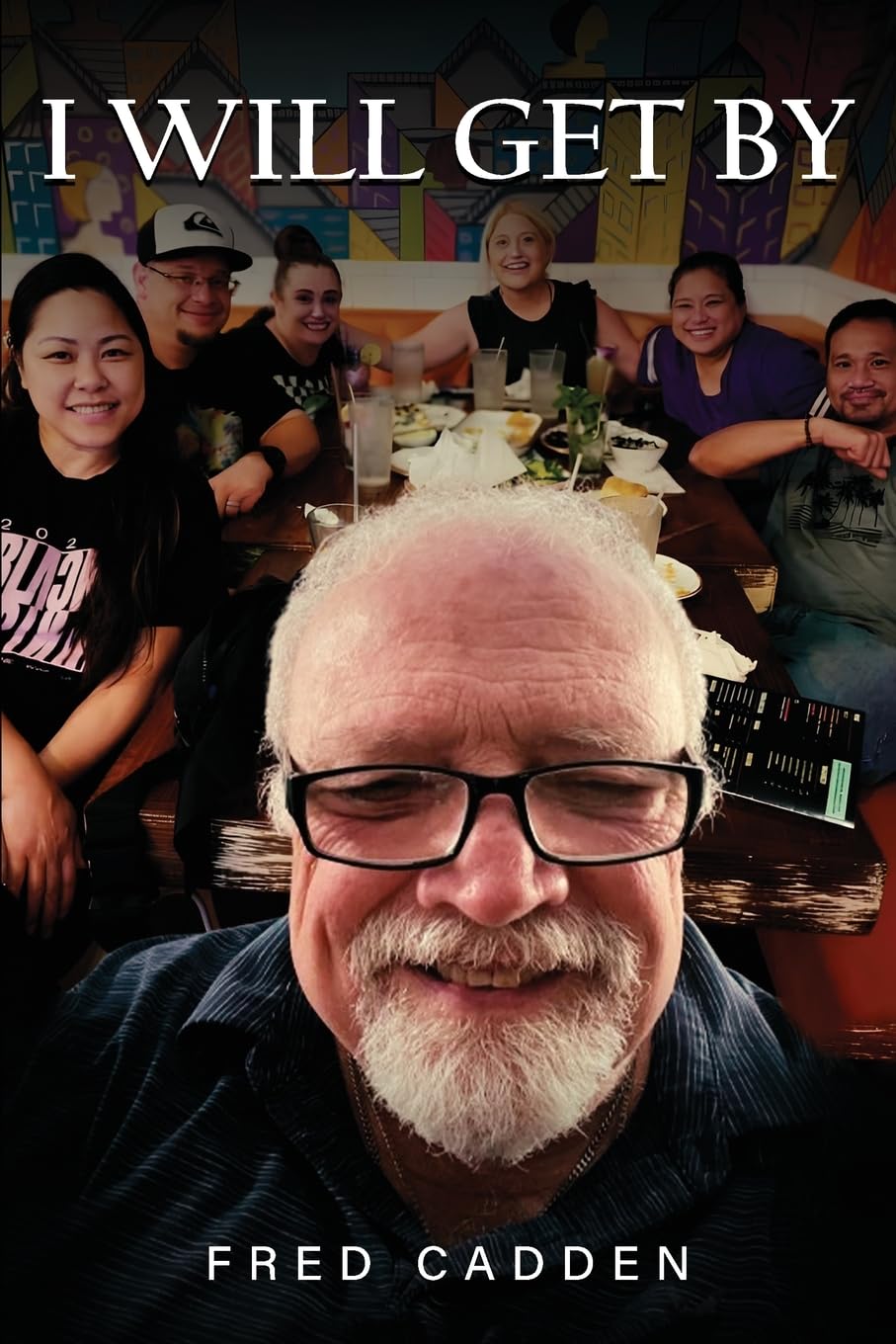
The Vietnam War was not only a conflict of soldiers and weapons but also one of chemical warfare and environmental destruction. In his memoir, I Will Get By, Fred Cadden explores the lesser-known battles faced by veterans—those waged against the invisible toxins that accompanied their service. His personal story sheds light on the devastating health impacts of chemical exposure, particularly the widespread use of Agent Orange, and the struggles veterans endure decades after returning home.
The Ubiquity of Agent Orange
In I Will Get By, Fred Cadden recounts his time as a medic stationed at Cam Ranh Bay, where the pervasive presence of chemical agents was impossible to ignore. Agent Orange, a herbicide used extensively by the U.S. military to defoliate forests and destroy enemy cover, was one of the most infamous chemicals employed during the war. The orange-striped barrels containing the toxin were a common sight, and the effects of its use were felt both on and off the battlefield.
Cadden’s firsthand account brings to life the environmental and personal consequences of these toxins. He describes how exposure wasn’t limited to combat zones; it extended to bases where personnel lived and worked, embedding itself into their surroundings and, ultimately, their bodies.
The Immediate Effects of Exposure
For many soldiers, the impact of these toxins was immediate, though poorly understood at the time. In I Will Get By, Fred Cadden recalls the aftermath of a sapper attack on an ammunition depot, which released a cocktail of hazardous chemicals, including napalm and potentially Agent Orange, into the air. The fire burned for days, blanketing the area in toxic smoke that everyone inhaled.
Cadden vividly describes the chaos and fear of that night, but it wasn’t until years later that the true cost of this exposure became clear. The lack of protective measures and the delayed recognition of the dangers only exacerbated the long-term health effects for those stationed in affected areas.
The Lingering Health Crisis
Decades after the war, veterans like Fred Cadden began to experience severe health issues linked to their service. In I Will Get By, Cadden candidly shares his own battle with health complications, including diabetes and neuropathy, conditions recognized by the Department of Veterans Affairs as related to Agent Orange exposure.
These illnesses often manifest years or even decades later, leaving veterans grappling with chronic pain, disability, and reduced quality of life. For many, the struggle is compounded by the need to prove the connection between their service and their health conditions to access the care and benefits they deserve.
The Fight for Recognition and Support
One of the recurring themes in I Will Get By is the ongoing fight for recognition and justice for Vietnam veterans exposed to toxins. Fred Cadden describes the bureaucratic hurdles and emotional toll of seeking help from the VA. His account underscores the resilience required to navigate a system that often fails to prioritize the needs of veterans.
Cadden’s story highlights the broader advocacy efforts by veterans and organizations to secure acknowledgment of chemical exposure and its consequences. These efforts have led to expanded benefits and coverage for affected veterans, though the journey remains far from complete.
The Legacy of Exposure
The impact of chemical warfare extends beyond individual health; it leaves a generational legacy. In I Will Get By, Fred Cadden reflects on the broader consequences of Vietnam’s chemical agents, including birth defects in the children of exposed veterans. These intergenerational effects underscore the profound and far-reaching impact of decisions made during the war.
Cadden’s narrative serves as a call to action, urging policymakers and society to address the lingering health crisis faced by veterans and their families. By sharing his story, he ensures that the silent battles fought by those who served in Vietnam are not forgotten.
Honoring Resilience and Advocacy
Fred Cadden’s I Will Get By is a testament to the resilience of Vietnam veterans who continue to fight battles long after leaving the battlefield. His candid exploration of the health impacts of chemical exposure sheds light on an often-overlooked aspect of the war, offering valuable insights into the challenges these veterans face.
Through his memoir, Cadden not only honors the sacrifices of his fellow servicemen and women but also amplifies the urgent need for recognition, support, and healing. His story is a powerful reminder that the costs of war extend far beyond its conclusion, and that those who serve deserve unwavering support for the burdens they bear.