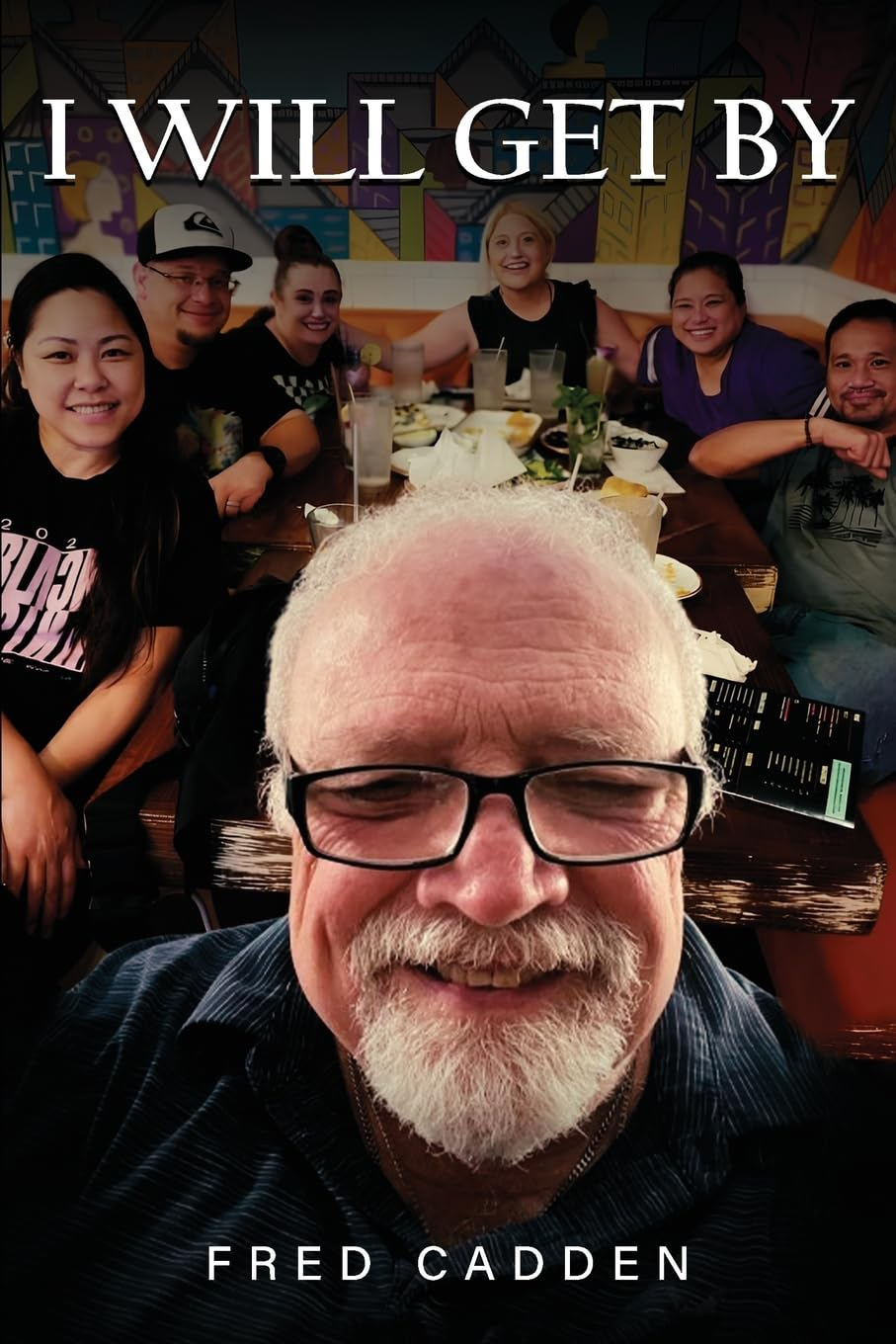
The rise and fall of Enron remains one of the most infamous corporate scandals in American history. The company, once considered a shining example of innovation and financial success, collapsed under the weight of corruption, greed, and unethical business practices. In I Will Get By, Fred Cadden provides a firsthand account of his experiences working in the oil and gas industry, including the era of Enron’s dominance and eventual downfall. His insights offer a unique perspective on the culture of corporate America, where ambition and deception often walk a fine line.
The Rise of Enron: A Corporate Giant
Enron was founded in 1985 and quickly grew into one of the most powerful energy companies in the world. It was known for pioneering energy trading and expanding into various global markets. In I Will Get By, Fred Cadden describes the corporate culture of the time, where financial innovation was highly valued, and executives were under immense pressure to deliver ever-growing profits. The company’s leadership, including CEO Jeffrey Skilling and Chairman Ken Lay, promoted aggressive strategies that emphasized rapid expansion and complex financial maneuvers. However, beneath the surface, cracks were beginning to form.
The Culture of Greed and Deception
One of the key factors that led to Enron’s downfall was its culture of greed and deception. Executives used accounting loopholes and off-the-books partnerships to hide the company’s debt, creating a false image of financial health. In I Will Get By, Fred Cadden highlights how this type of unethical behavior was not unique to Enron—many corporations operated under a similar mindset, where short-term profits were prioritized over long-term stability. Employees who questioned the company’s financial practices were often silenced or dismissed, creating an environment where fraud could flourish.
The Role of Wall Street and Accounting Firms
Enron’s deception was not limited to its executives; it was enabled by Wall Street analysts and accounting firms that turned a blind eye to the company’s questionable financial practices. Arthur Andersen, one of the largest accounting firms in the world, played a critical role in the scandal by signing off on fraudulent financial statements. In I Will Get By, Fred Cadden explores how external pressures from investors and analysts contributed to an unsustainable business model. Many within the industry knew that Enron’s success was built on shaky ground, but as long as the stock price kept rising, few were willing to ask tough questions.
The Collapse: A Cautionary Tale
In late 2001, the truth finally came to light. Investigative journalists and regulators uncovered massive accounting fraud, leading to Enron’s bankruptcy, the largest in U.S. history at the time. Employees lost their jobs, investors lost billions, and the public’s trust in corporate America was shattered. In I Will Get By, Fred Cadden reflects on how Enron’s collapse exposed deep flaws in the financial system, prompting new regulations like the Sarbanes-Oxley Act, which aimed to improve corporate accountability. However, the scandal also served as a reminder that unchecked ambition and lack of oversight could lead to disastrous consequences.
Lessons for Corporate America
The Enron scandal was a wake-up call for corporate America, but have businesses truly learned from it? In I Will Get By, Fred Cadden emphasizes the importance of ethical leadership, transparency, and accountability in the corporate world. While regulations have improved, corporate scandals continue to occur, proving that greed and deception are difficult to eradicate. Cadden’s experiences highlight the need for employees and executives to prioritize integrity over profits, ensuring that history does not repeat itself.
The fall of Enron changed the way businesses operate, but challenges remain. Companies today face new ethical dilemmas, from data privacy concerns to environmental responsibility. In I Will Get By, Fred Cadden shares how his own experiences in the corporate world shaped his understanding of business ethics and the importance of doing what is right, even when faced with immense pressure. The Enron scandal may be in the past, but its lessons continue to shape the future of corporate governance and financial accountability.